 Adam Hafez
Key takeaways
- Google's Discover documentation recommends images at least 1200 pixels wide with more than 300,000 total pixels, shown alongside a 16x9 example.
- The large-image specification is enabled by the max-image-preview:large setting or by using AMP; without one of them, the page does not get the large-image treatment.
- Google names clickbait and sensationalism specifically, describing tactics that use misleading or exaggerated details or that cater to morbid curiosity, titillation, or outrage.
- Google advises avoiding content that withholds crucial information needed to understand what it is about, listing it with the clickbait tactics.
- Google's page states no special structured data is required for eligibility; schema.org markup or an og:image tag only controls which image gets picked.
Most Discover advice sites describe impact after the fact: which pages gained, which dropped, which update caused it. Google’s own Discover documentation reads differently. It is a checklist of what has to be true about a page before Discover will consider surfacing it at all, and its exact wording rarely survives being paraphrased.
The image requirement
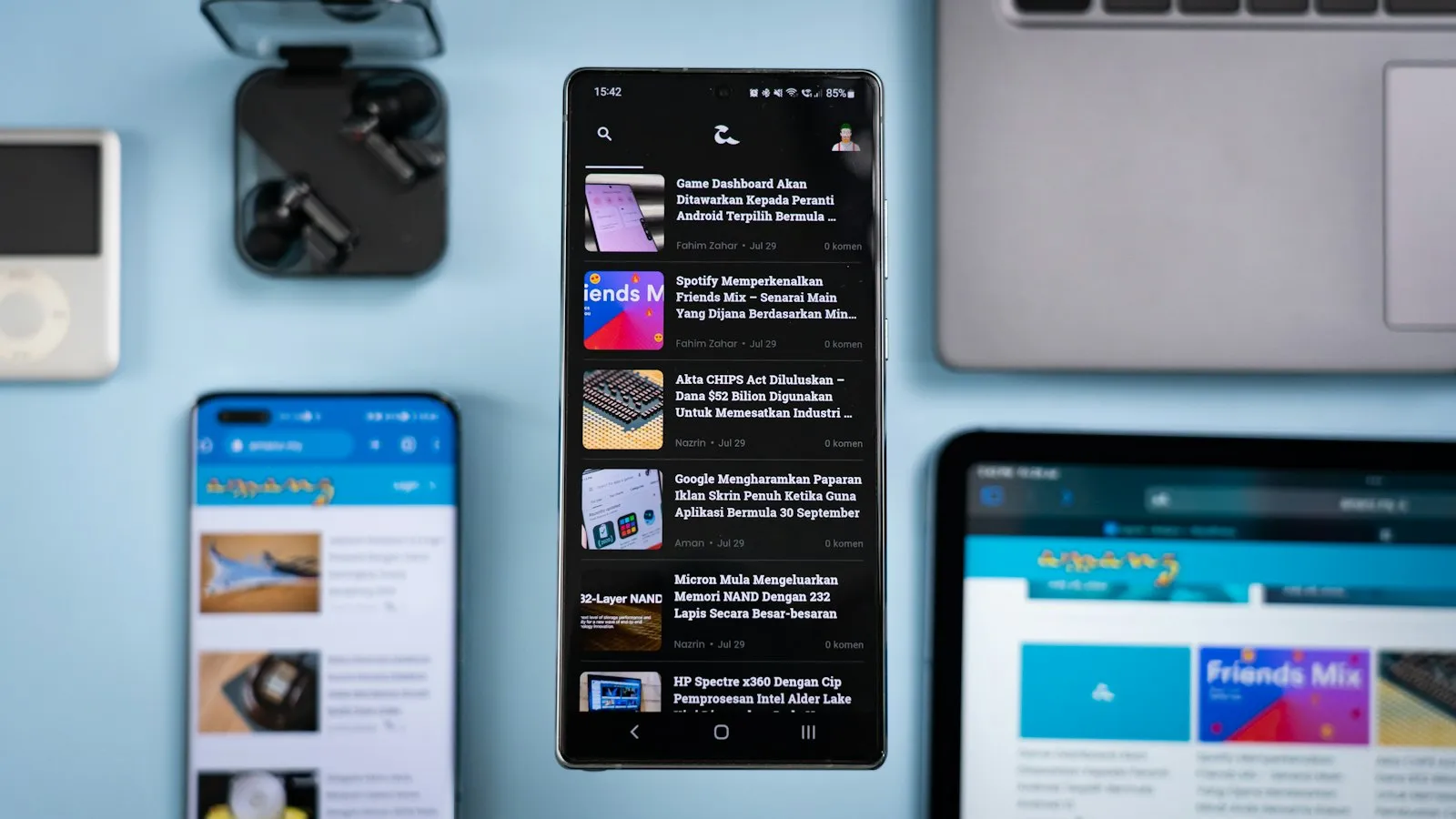
Google’s page recommends a specific floor: images should be “at least 1200 px wide” with “high
resolution of more than 300,000 total pixels,” illustrating this with a 16x9 example image at
1280x720 pixels, which comes to 921,600 total pixels. That specification is enabled by the
max-image-preview:large setting or by using AMP. The setting can be the meta robots tag or a
corresponding HTTP header. Without it or AMP, the page does not get the large-image treatment
regardless of how the image is sized, so the pixel floor and the setting work as a pair.
Google’s page also states plainly that no special tags or structured data are required for basic
Discover eligibility. Where it does make a recommendation, it is narrower than eligibility: use
either schema.org markup or an og:image meta tag to tell Google which image on the page to
prefer, which is a control over image selection, not a gate on whether the page can appear at all.
Discover content policies
Beyond formatting, Google’s Discover page names specific content behaviors it screens for, in its own words. It tells publishers to “avoid clickbait and similar tactics to artificially inflate engagement by using misleading or exaggerated details,” and separately to “avoid sensationalism tactics that manipulate appeal by catering to morbid curiosity, titillation, or outrage.” A third, related standard: content that withholds crucial information required to understand what it is about is covered by the same advice, even short of outright misleading claims.
The page also lists content types Discover “might not recommend” outright: job applications, petitions, forms, code repositories, and satirical content without any context. These are named as categories, not as penalties for a specific violation, so a page can be well-formed and non-misleading and still sit outside Discover’s surface simply by falling into one of them.
For what these documented policies looked like in practice during a real ranking change, not just as written rules, see our report on Google’s February 2026 Discover-only core update, which covers the verified before-and-after impact data from that rollout. This piece is limited to what Google’s own eligibility page states; it does not repeat that impact analysis.
Why we care
The two halves of this documentation matter for different reasons. The image spec is a pass or
fail technical check: a publishing workflow that ships images narrower than 1200 pixels, or that
omits max-image-preview:large, has ruled itself out of Discover’s large-image treatment before
any editorial judgment about the article applies. The content policies are the opposite, a set of
editorial standards Google states it applies regardless of how technically correct the page is.
Treat both as gates to clear before publishing, not diagnostics to run after traffic disappoints.
The evidence
- Period
- documentation live 2026-03-09
- Sample
- N/A - a documentation review, not a sampled study
Method: Reviewed Google's own current Discover documentation directly, at developers.google.com/search/docs/appearance/google-discover, rather than third-party summaries of it. Quotes below are taken from that page as it reads today; where Google has revised the page since an earlier reading, this piece reflects the version live as of the publish date above, dated by the page's own "last updated" stamp.
Sources
- 1.Get your content on Google Discover - Google Search CentralPrimary
Common questions
Is 1200 pixels a hard cutoff for Discover images?
Google's page states an image should be at least 1200 pixels wide with more than 300,000 total pixels, but the specification is enabled by the max-image-preview:large setting or by using AMP. Without either, Discover can still surface the page, just without the larger image treatment the size is written for.
Does Discover need its own structured data?
No. Google's page states plainly that no special tags or structured data are required for basic eligibility. It recommends schema.org markup or an og:image meta tag only as a way to control which image Discover picks, not as an eligibility requirement.
Does this replace general Google content quality guidance?
No, and it should not be read as a substitute for it. This piece only covers what Google's Discover-specific documentation states directly, because that page is a distinct eligibility surface from ranking guidance for regular Search.
About the author

Founder, UpgradIQ FZC LLC
Adam Hafez works on technical SEO and search measurement: how pages get crawled, indexed, ranked and now quoted by answer engines. He founded UpgradIQ, which reads Google Search Console and GA4 to tie ranking movement back to the changes that caused it. He publishes what the data supports and states the limits of it.
- Technical SEO
- Search Console and GA4
- Answer engine optimization
- Structured data
The briefing
Only what actually changed in search, delivered in full by RSS, Atom or JSON feed.
FollowRelated reading
Google ties more spam updates to a flood of new content
At Search Central Live, Google said spam updates target much new content, AI helps catch it, and scaled content now worries it more than link spam.

Google Discover eligibility gate: what Google's analyst said
Google's Discover trust and safety analyst described a three-way eligibility gate and image rules at Search Central Live Barcelona, per a ROAST recap.
Google warns against fake author profiles in its guidance
Google's helpful content page now calls fabricated creator profiles deception: AI headshots, made-up names and false credentials.

Google adds a main content section to its helpful content page
Google's people-first content page now defines main content and lists four attributes raters assess: effort, originality, talent or skill, and accuracy.